

The corrosion of metals is a widespread and costly issue in various industries, from manufacturing and construction to automotive and aerospace. It not only compromises the structural integrity of metal components but also leads to significant economic losses due to repair, replacement, and downtime. As a leading Steel Shot [/abrasives-steel-shot/steel-shot.html] supplier, we understand the critical role that proper surface treatment plays in enhancing the corrosion resistance of metals. In this blog, we will explore the effects of steel shot on the corrosion resistance of treated metals, delving into the mechanisms involved and the benefits it offers.
Understanding Corrosion in Metals
Before we discuss the impact of steel shot on corrosion resistance, it is essential to understand the process of corrosion itself. Corrosion is an electrochemical reaction that occurs when a metal comes into contact with an electrolyte, such as water or a corrosive chemical. In this reaction, the metal loses electrons and forms metal ions, which dissolve in the electrolyte. This process weakens the metal over time, leading to rust, pitting, and other forms of degradation.
The rate of corrosion depends on several factors, including the type of metal, the environment in which it is exposed, and the presence of any protective coatings. For example, metals like iron and steel are particularly susceptible to corrosion in the presence of oxygen and moisture, while metals like aluminum and stainless steel have a natural oxide layer that provides some protection against corrosion.
How Steel Shot Enhances Corrosion Resistance
Steel shot is a type of abrasive media that is commonly used in surface preparation processes, such as shot blasting and peening. These processes involve propelling steel shot at high speeds onto the surface of a metal component to clean, strengthen, and improve its surface properties. Here's how steel shot can enhance the corrosion resistance of treated metals:
Surface Cleaning and Removal of Contaminants
One of the primary effects of steel shot on the corrosion resistance of metals is its ability to clean the surface and remove contaminants. During the manufacturing process, metal components can accumulate various types of contaminants, such as oil, grease, rust, and scale. These contaminants can act as a barrier to the formation of a protective oxide layer and provide a site for corrosion to initiate.
By using steel shot in a shot blasting process, these contaminants can be effectively removed from the surface of the metal. The high-velocity impact of the steel shot dislodges and removes the contaminants, leaving a clean and bare metal surface. This clean surface is more receptive to the application of protective coatings, which can further enhance the corrosion resistance of the metal.
Surface Roughening and Improved Coating Adhesion
In addition to cleaning the surface, steel shot can also roughen the metal surface, creating a mechanical interlock for the protective coating. When a coating is applied to a smooth metal surface, it may not adhere well, leading to delamination and premature failure. However, when the surface is roughened by steel shot, the coating can penetrate into the microscopic peaks and valleys, creating a stronger bond between the coating and the metal.
The surface roughness created by steel shot also increases the surface area of the metal, allowing for better adhesion of the coating. This improved adhesion ensures that the coating remains intact and provides long-lasting protection against corrosion.
Inducing Residual Compressive Stress
Shot peening is another process that uses steel shot to enhance the corrosion resistance of metals. In shot peening, steel shot is propelled at high speeds onto the surface of the metal, causing plastic deformation and inducing residual compressive stress in the surface layer. This residual compressive stress counteracts the tensile stress that is typically present in the metal, which can lead to crack initiation and propagation.
By inducing residual compressive stress, shot peening can improve the fatigue life and corrosion resistance of the metal. The compressive stress acts as a barrier to the ingress of corrosive agents, reducing the likelihood of corrosion and crack formation.
Forming a Passive Oxide Layer
Some metals, such as stainless steel, have a natural ability to form a passive oxide layer on their surface when exposed to oxygen. This passive oxide layer acts as a protective barrier, preventing further corrosion of the metal. Steel shot can help to promote the formation of this passive oxide layer by removing the contaminants and activating the surface of the metal.
During the shot blasting process, the high-velocity impact of the steel shot can disrupt the existing oxide layer on the metal surface, exposing fresh metal atoms. These fresh metal atoms react with oxygen in the air to form a new and more stable passive oxide layer. This newly formed passive oxide layer provides enhanced protection against corrosion, even in harsh environments.
Benefits of Using Steel Shot for Corrosion Resistance
The use of steel shot in surface preparation processes offers several benefits for enhancing the corrosion resistance of metals:
Cost-Effective Solution
Compared to other surface treatment methods, using steel shot is a cost-effective solution for improving the corrosion resistance of metals. Steel shot is relatively inexpensive and can be reused multiple times, reducing the overall cost of the surface preparation process. Additionally, by enhancing the corrosion resistance of the metal, steel shot can extend the service life of the metal components, reducing the need for frequent repairs and replacements.
Environmentally Friendly
Steel shot is an environmentally friendly alternative to other abrasive media, such as sand. Sandblasting can generate a significant amount of dust and waste, which can be harmful to the environment and human health. In contrast, steel shot can be easily recycled and reused, minimizing the environmental impact of the surface preparation process.

Consistent and Uniform Results
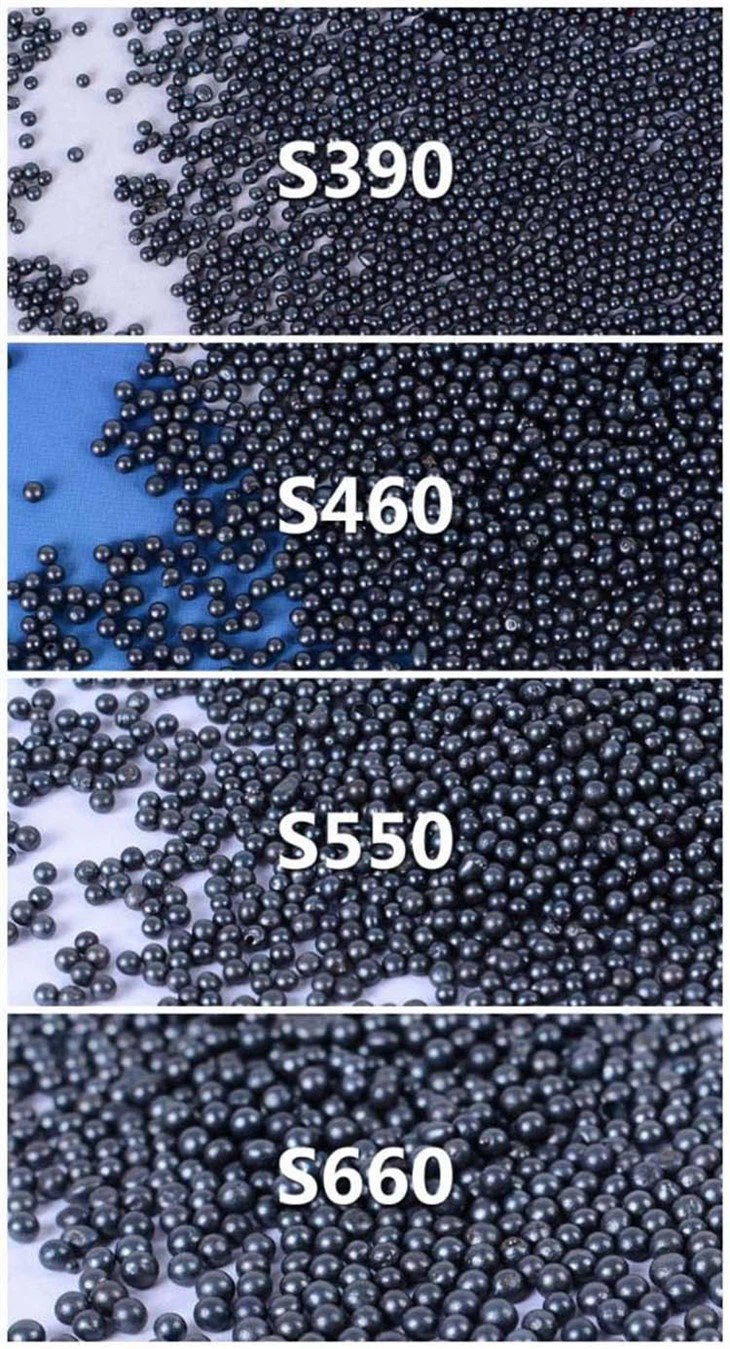
Steel shot provides consistent and uniform results in surface preparation, ensuring that the corrosion resistance of the treated metals is reliable and predictable. The size, shape, and hardness of the steel shot can be carefully controlled to achieve the desired surface finish and roughness, allowing for precise control of the corrosion resistance properties of the metal.
Versatility
Steel shot can be used on a wide range of metals and metal alloys, making it a versatile solution for enhancing the corrosion resistance of different types of metal components. Whether it is used on steel, aluminum, or stainless steel, steel shot can effectively clean, strengthen, and improve the surface properties of the metal, providing long-lasting protection against corrosion.
Case Studies and Real-World Applications
To illustrate the effectiveness of steel shot in enhancing the corrosion resistance of metals, let's look at some real-world case studies and applications:
Automotive Industry
In the automotive industry, steel shot is commonly used in the surface preparation of engine components, such as engine blocks and cylinder heads. These components are exposed to high temperatures, pressures, and corrosive fluids, making them susceptible to corrosion. By using steel shot in the shot blasting process, the surface of the engine components can be cleaned and roughened, improving the adhesion of the protective coatings and enhancing their corrosion resistance.
Construction Industry
In the construction industry, steel shot is used in the surface preparation of steel structures, such as bridges and buildings. These structures are exposed to the elements, including rain, snow, and saltwater, which can cause corrosion over time. By using steel shot in the shot blasting process, the surface of the steel structures can be cleaned and prepared for the application of protective coatings, such as paint or galvanizing. This enhances the corrosion resistance of the steel structures, ensuring their long-term durability and safety.
Aerospace Industry
In the aerospace industry, steel shot is used in the surface preparation of aircraft components, such as landing gears and turbine blades. These components are subjected to extreme conditions, including high speeds, temperatures, and pressures, as well as exposure to corrosive chemicals and saltwater. By using steel shot in the shot peening process, the surface of the aircraft components can be strengthened and the residual compressive stress can be induced, improving their fatigue life and corrosion resistance.
Contact Us for Steel Shot Solutions
As a trusted Steel Shot [/abrasives-steel-shot/steel-shot.html] supplier, we are committed to providing high-quality steel shot products and solutions to our customers. Our steel shot is manufactured using the latest technology and strict quality control measures to ensure its performance and reliability. Whether you are in the automotive, construction, aerospace, or any other industry, we can help you enhance the corrosion resistance of your metal components with our steel shot products.
If you are interested in learning more about our steel shot products or have any questions about how steel shot can improve the corrosion resistance of your metals, please contact us today. Our team of experts will be happy to assist you and provide you with the information and support you need.
References
-ASM Handbook, Volume 5: Surface Engineering, ASM International.
-Schweitzer, P. A. (Ed.). (2004). Corrosion Resistance Tables, Volumes 1-3. Marcel Dekker.
-Trojanowski, B. (2017). Shot Peening: Fundamentals and Applications. Elsevier.
