

Hey there! As a supplier of Calcined Petroleum Coke (CPC), I've been keeping a close eye on how the availability of substitutes impacts its market. Let's dive right in and explore this topic.
First off, what is Calcined Petroleum Coke? It's a crucial material in various industries. It's made by heating raw petroleum coke to high temperatures, which removes moisture, volatile matter, and other impurities. The result is a high - carbon product with excellent electrical conductivity and high heat resistance. It's widely used in the aluminum, steel, and chemical industries, among others.
Now, let's talk about substitutes. There are several alternatives to Calcined Petroleum Coke in the market. One of them is Graphitized Petroleum Coke. Graphitized Petroleum Coke has a higher degree of graphitization compared to CPC. This gives it better electrical conductivity and lubricity. In applications where these properties are of utmost importance, like in some high - end battery manufacturing, it can be a preferred choice over CPC.
Another substitute is Electrically Calcined Anthracite. It's produced by electrically heating anthracite coal. This substitute has a relatively lower sulfur content compared to CPC. In industries where low - sulfur materials are required to meet environmental regulations or to improve product quality, such as in the production of some specialty steels, Electrically Calcined Anthracite can be a great alternative.

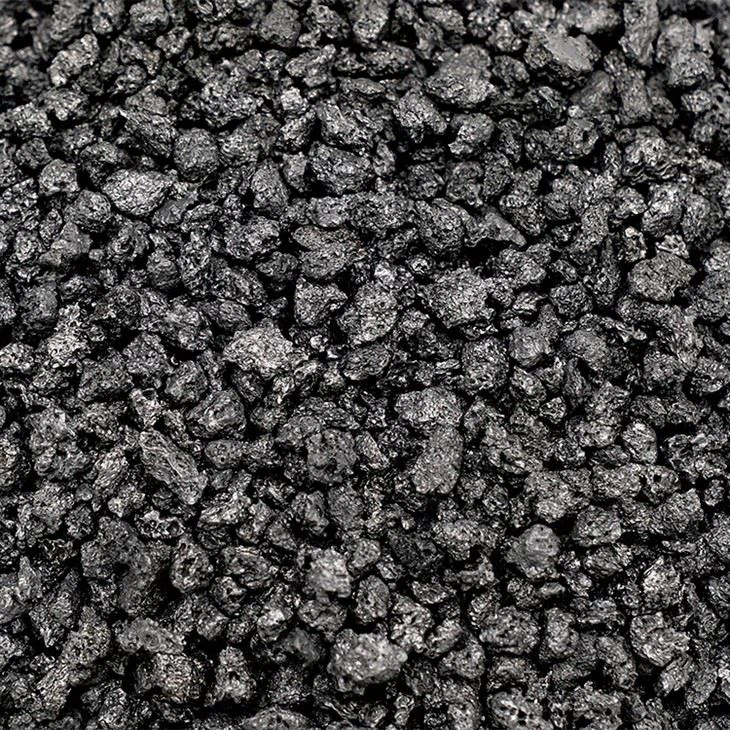
Then there's Silicon Carbide. Silicon Carbide is a hard and abrasive material. In applications where wear resistance and high - temperature strength are key, like in the production of cutting tools and refractory materials, it can replace CPC.
So, how does the availability of these substitutes affect the CPC market? Well, when the supply of substitutes is abundant and their prices are competitive, it can put pressure on the CPC market. For example, if there's a large - scale production of Graphitized Petroleum Coke and its price drops significantly, some battery manufacturers might switch from using CPC to Graphitized Petroleum Coke. This would lead to a decrease in the demand for CPC, which in turn could result in lower prices for CPC as suppliers try to maintain their market share.
On the other hand, if the availability of substitutes is limited, the demand for CPC is likely to remain stable or even increase. For instance, if there are production issues with Electrically Calcined Anthracite, steel manufacturers that rely on low - sulfur carbon materials might turn to CPC as a backup option.
The quality requirements of different industries also play a role. Some industries have very specific quality standards. If the substitutes can't meet these standards, the demand for CPC will stay strong. For example, in the aluminum smelting industry, CPC has unique properties that make it the most suitable material for anode production. Even if substitutes are available, they may not be able to fully replace CPC due to the strict quality requirements of this industry.
The cost of production of substitutes is another factor. If the cost of producing substitutes is high, it will make CPC more attractive in terms of price. For example, the production of Silicon Carbide requires a lot of energy and specialized equipment. If the energy prices are high, the cost of producing Silicon Carbide will go up, making CPC a more cost - effective choice for many applications.
In addition, the development of new technologies can also impact the relationship between CPC and its substitutes. As new production methods are developed for substitutes, their quality may improve, and their cost may decrease. This could pose a greater threat to the CPC market. For example, if a new and more efficient way to produce Graphitized Petroleum Coke is discovered, it could further erode the market share of CPC in the battery industry.
As a CPC supplier, I'm always looking for ways to stay competitive in the face of substitute availability. One strategy is to focus on quality improvement. By continuously improving the quality of our CPC, we can meet the ever - increasing quality requirements of different industries and make it harder for substitutes to replace our product.
Another approach is to build strong relationships with our customers. By understanding their needs and providing excellent customer service, we can create a loyal customer base. This way, even when substitutes are available, our customers are more likely to stick with us.
We also keep a close eye on the market trends of substitutes. By monitoring their production, prices, and technological developments, we can anticipate changes in the market and adjust our production and marketing strategies accordingly.
If you're in the market for Calcined Petroleum Coke, or if you have any questions about how it compares to its substitutes, I'd love to have a chat with you. Whether you're in the aluminum, steel, or any other industry that uses CPC, we can work together to find the best solution for your needs. Reach out to me for a detailed discussion and let's explore how we can do business together.
References
- Industry reports on carbon and graphite materials
- Technical papers on the properties and applications of Calcined Petroleum Coke and its substitutes
- Market research data on the supply and demand of carbon - based materials
